Simple Home and Online Security Habits Everyone Can Use
- March 05, 2025· Article by David Brown
- security , english to portuguese translation
Security is not only for experts and large companies. A few steady habits protect your home, your devices and your personal information. This guide covers practical steps that anyone can follow, without special tools or technical knowledge.
Think in Layers
No single measure stops every problem. Several simple protections working together are far stronger than one expensive solution. Locks, lighting, habits and backups each cover different risks.
Secure Your Doors and Windows
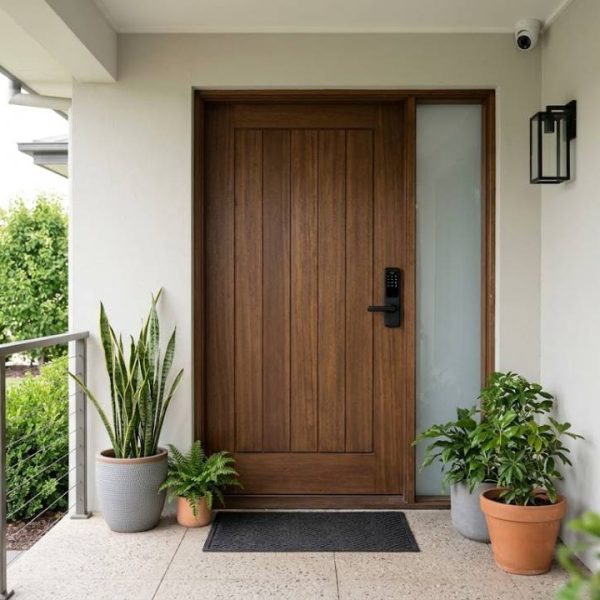
Use good quality locks, keep entrances well lit and check windows before leaving. Visible care makes a property less attractive to opportunists and gives you peace of mind.
Get to Know Your Neighbours
Neighbours notice unusual activity and can collect post when you travel. Friendly relationships make streets safer, and sharing contact details helps in emergencies.
Do Not Advertise Absence
Avoid posting holiday plans in real time. Use timers for lights and ask someone to collect post. A lived in look discourages unwanted attention.
Protect Spare Keys
Hiding keys under mats or plant pots is easily guessed. Leave a spare with a trusted person instead. Change locks if keys are ever lost.
Use Strong, Unique Passwords
Reusing a password means one leak exposes many accounts. Long phrases are easier to remember and harder to guess. A reputable password manager keeps everything organised.
Turn On Two Step Verification
A code from an app or device blocks most account takeovers even when a password is known. Enable it for email, banking and social accounts first.
Keep Software Updated
Updates fix known weaknesses. Turn on automatic updates for phones, computers and routers. Old software is one of the easiest ways for criminals to get in.
Secure Your Home Wi-Fi
Change default router passwords, choose strong encryption and consider a separate guest network. A protected network guards every connected device in the home.
Spot Phishing Messages
Be cautious with urgent requests, unexpected attachments and links that ask for logins. Visit sites directly instead. When unsure, contact the organisation using a number you trust.
Learn From Official Guidance
Government agencies publish clear advice for individuals. The Australian Cyber Security Centre shares practical tips on passwords, scams and safe online behaviour.
Back Up Important Files
Keep copies of photos and documents in two places, such as an external drive and a cloud service. Backups protect against theft, failure and ransomware.
Protect Personal Documents
Store passports, contracts and certificates in a locked place. Shred papers with account numbers. Keep digital copies encrypted and avoid sending them over unsecured channels.
Be Careful With Public Wi-Fi
Avoid banking or entering passwords on open networks. A mobile hotspot is a safer choice. Log out of accounts when finished.
Check Privacy Settings
Review who can see your posts, location and contact details. Share only what you are comfortable having public. Regular checks keep settings aligned with your needs.
Prepare Records for Overseas Moves
Moving abroad for work or study may require background papers. Accurate police clearance translation helps authorities understand official records without delays.
Serving Portuguese Speaking Communities
Safety advice should be available in the languages people speak. Dependable english to portuguese translation helps neighbourhood groups and organisations share clear guidance.
Teach Children About Safety
Explain strangers, online privacy and what to do if something feels wrong. Create a family rule that children can always tell a trusted adult without fear of blame.
Protect Older Relatives
Scammers often target older people by phone and post. Agree a family code word, remind them never to share codes and encourage them to hang up and call back.
Install Smoke and Carbon Monoxide Alarms
Security also means fire safety. Test alarms monthly and replace batteries yearly. Make an escape plan and practise it with everyone at home.
Think About Cameras and Lighting
Motion lights and visible cameras can deter trouble. Position cameras responsibly and respect neighbours privacy. Follow local rules on recording.
Secure Your Vehicle
Lock doors, keep valuables out of sight and park in well lit areas. Small habits prevent many opportunistic thefts.
Prepare for Emergencies
Keep a list of emergency contacts, a torch and a small first aid kit. Know how to switch off water and electricity. Preparation helps you stay calm.
Review and Refresh Regularly
Once a season, check locks, passwords, backups and alarms. Security is a habit, not a one time task. Small reviews keep protection current.
Make Security a Family Conversation
Talk openly about risks and routines with everyone at home. When each person understands why habits matter, rules feel fair and are followed more reliably.
Keep an Inventory of Valuables
Photograph items, note serial numbers and store the list safely. A clear record helps with insurance claims and makes recovery of stolen property more likely.
Trust Your Instincts
If a message, caller or situation feels wrong, pause and check before acting. Taking a minute to verify is far cheaper than recovering from a scam.
Final Thoughts
Good security is built from small, consistent habits. Choose two ideas from this list, put them in place this week and add more over time. Steady care protects what matters most.